

Some games are played for the challenge. Others are played for the story.
Story driven video games are built around narrative. They focus on characters, themes, and emotional impact, creating experiences that stay with you long after you finish playing. If you have ever chosen a game because of its story, you are already familiar with what story driven games offer.
This guide explores what defines story based video games, how they work, and why they continue to be some of the most memorable experiences in gaming.
What Are Story Driven Video Games?
What Makes Story Driven Games Different?
Not all games prioritise storytelling in the same way.
Story driven video games place narrative at the centre of the experience. Every element - from gameplay to environment - is designed to support the story being told.
You will often find:
Narrative First Design: The story shapes progression, pacing, and player engagement.
Character-Led Experiences: Strong, evolving characters drive the narrative forward.
Emotional Storytelling: Games with moments that resonate beyond the screen.
Immersive Worlds: Settings that feel real and enhance the story.
This is what separates games with strong story from more gameplay-focused experiences.
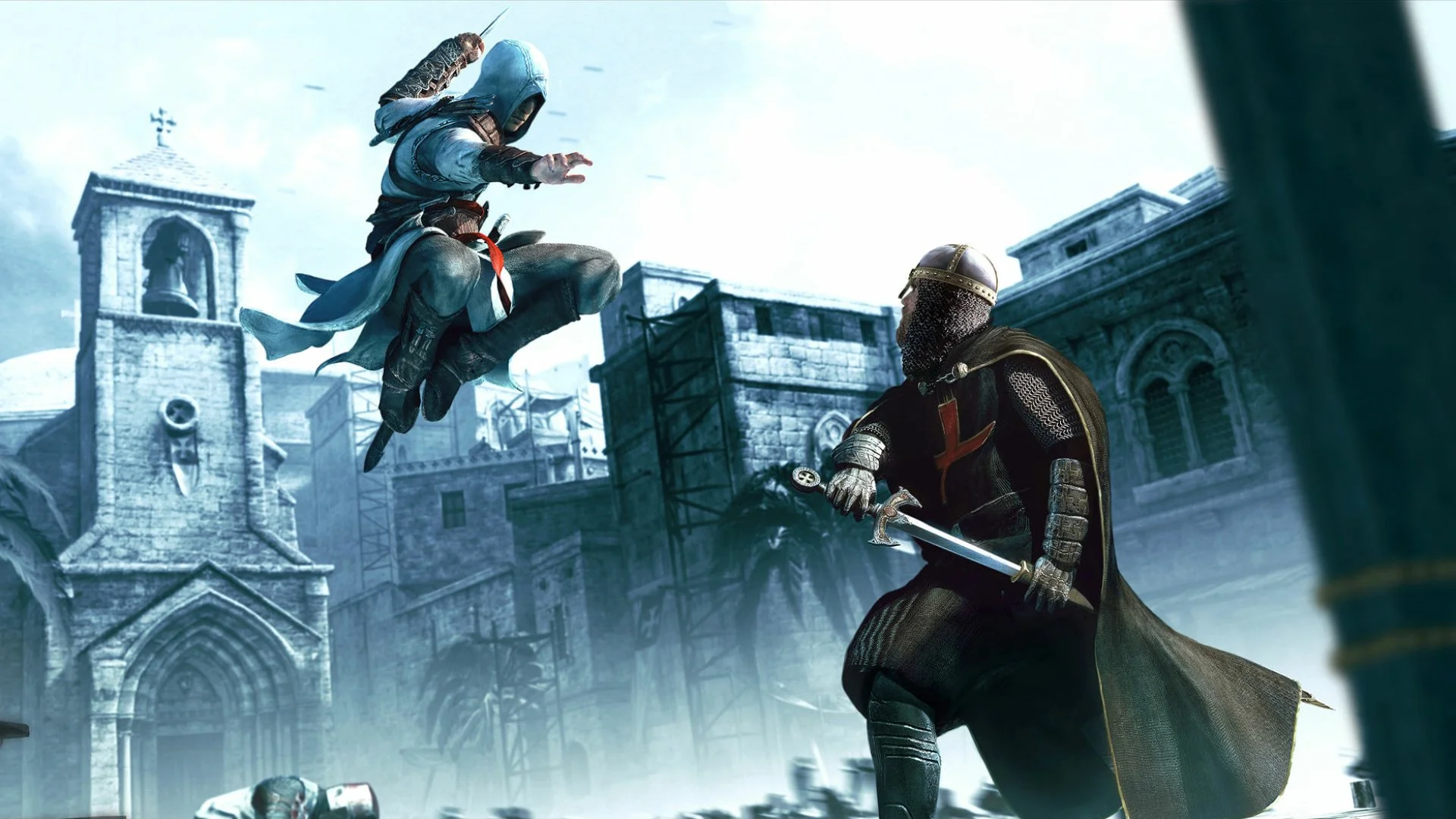
Types of Story Based Video Games
Storytelling can take many forms depending on the type of game.
Understanding these variations helps you find the experience that suits you best:
Story Driven RPG Video Games: Long-form narratives with character progression and player choice.
Narrative Adventure Video Games: Focused on exploration, dialogue, and emotional storytelling.
Single Player Story Video Games: Self-contained experiences built around a central narrative.
Each of these falls under the broader category of story based video games, offering different ways to experience storytelling.

Learn Through Real Game Examples
Resident Evil: Requiem - Honour The Dead, Fight for the Living
Each game on this site is explored through a structured breakdown, giving you a clear view of how storytelling elements come together.
World Building & Contextual Analysis: How setting and lore support the story.
Environmental & Collectibles Analysis: How exploration contributes to storytelling.
Main Narrative Analysis: A focused look at the core plot and themes.
Full Review: A complete detailed review of the overall narrative experience.
Explore Full Narrative Breakdown
Why Story Driven Video Games Matter
The impact of story driven video games goes beyond entertainment.
They offer:
Stories that stay with you
Characters you care about
Worlds that feel immersive
Experiences that leave a lasting impression
By exploring story driven games through structured analysis and in-depth reviews, you gain a deeper appreciation for how these narratives are crafted.
How Storytelling Works in Games
To understand story driven games, you need to look at how their narratives are built.
Through in-depth analysis and detailed reviews, you can explore:
How stories are structured and paced
How characters develop over time
How themes and messages are communicated
How gameplay supports the narrative
This approach helps you see not just what happens in a game, but why it works.
Start Exploring Story Driven Games
If you want to better understand storytelling in games - or find your next experience - explore the reviews and discover what makes story driven video games so compelling.
Dive Into the Story Analysis